How to Reduce Patient No-Shows with Automated Appointment Reminders
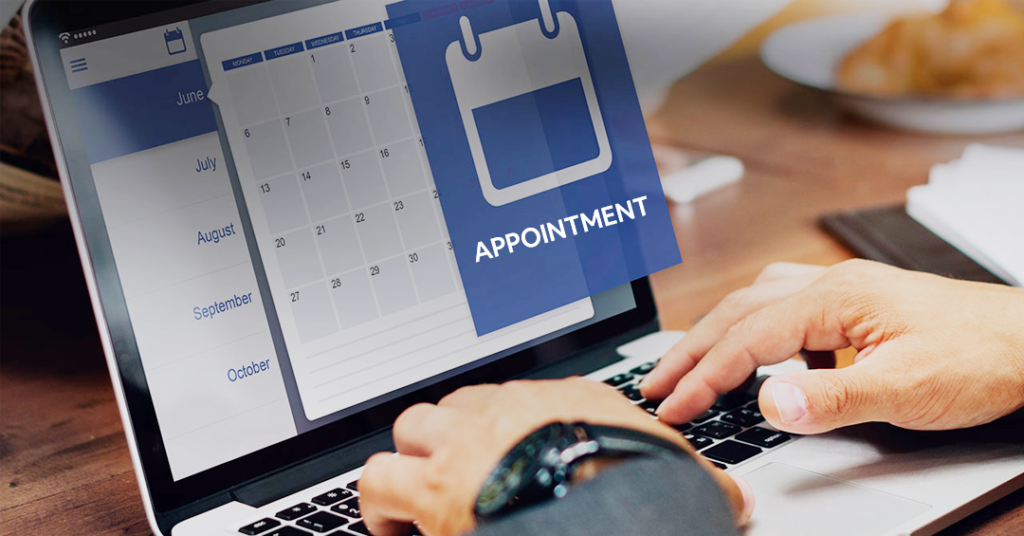
Missed appointments are one of the most persistent drains on a clinic's efficiency. Industry studies consistently show that no-show rates average between 15% and 30% across outpatient practices, translating into lost revenue, wasted staff time, and gaps in patient care.
The most effective fix isn't more phone calls from your front desk — it's automation. Sending a confirmation immediately after booking, a reminder 48 hours ahead, and a final nudge the morning of the appointment captures patients at the moments they're most likely to forget or reconsider.
Why timing matters
A single reminder sent too early is easy to ignore. Layering reminders across the booking window — confirmation, mid-point, and same-day — keeps the appointment top of mind without feeling like spam. Clinics that combine SMS with email typically see the strongest results, since text messages have open rates above 90% within minutes.
Making it easy to reschedule
No-shows often happen because canceling or rebooking feels harder than just skipping the visit. Reminders that include a one-tap reschedule or cancel link remove that friction, turning a likely no-show into a rebooked slot instead of an empty one.
What to track
Once reminders are live, watch three numbers: no-show rate, cancellation lead time, and rebooking rate. A drop in no-shows paired with a rise in advance cancellations means the system is working — patients are giving you time to fill the slot rather than simply not showing up.
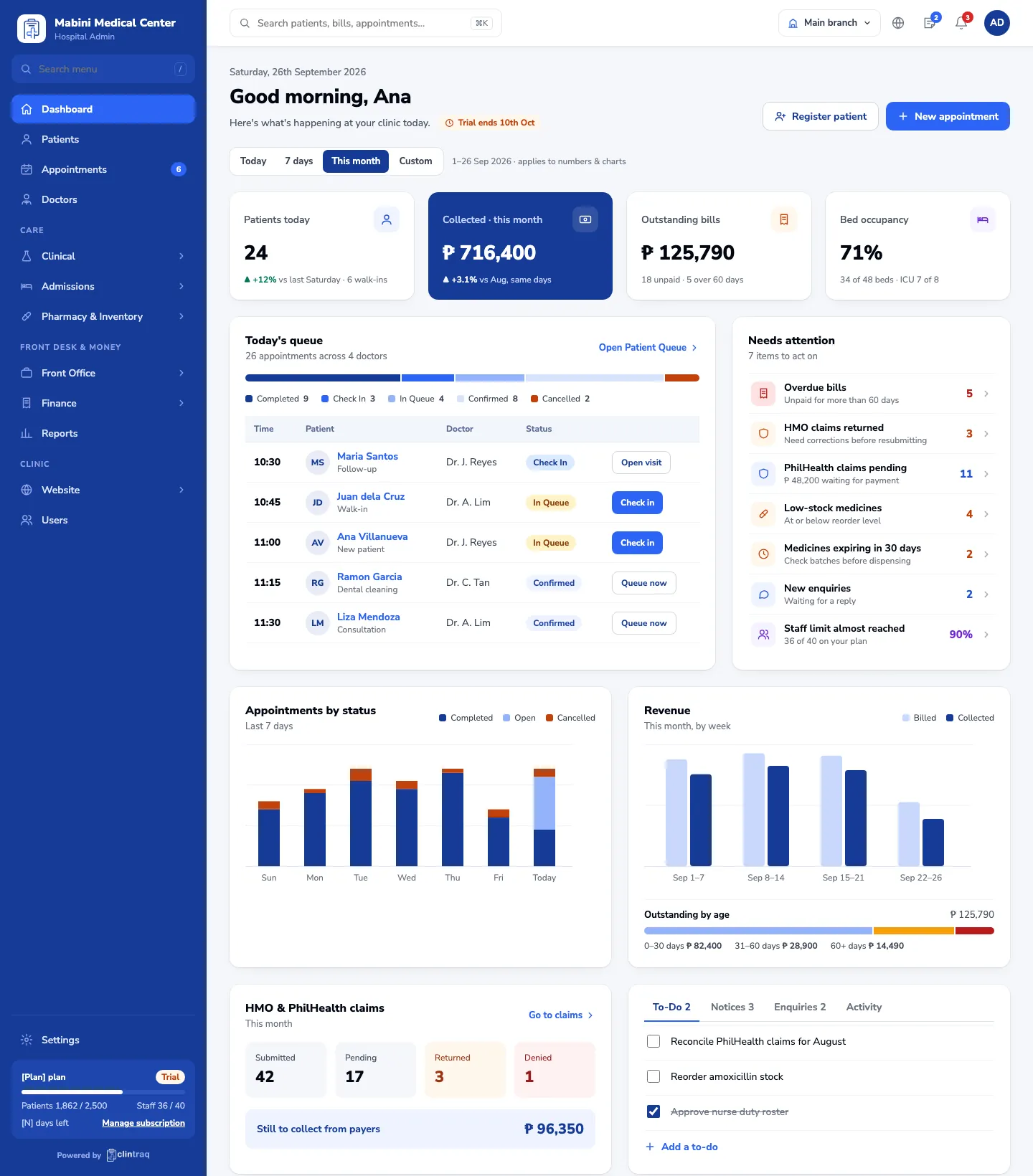
Clinics using Clintraq's automated reminder workflows typically see no-show rates fall within the first month, freeing up staff to focus on patients instead of chasing confirmations.