Digitizing Patient Records: Why EHR Integration Still Matters in 2026

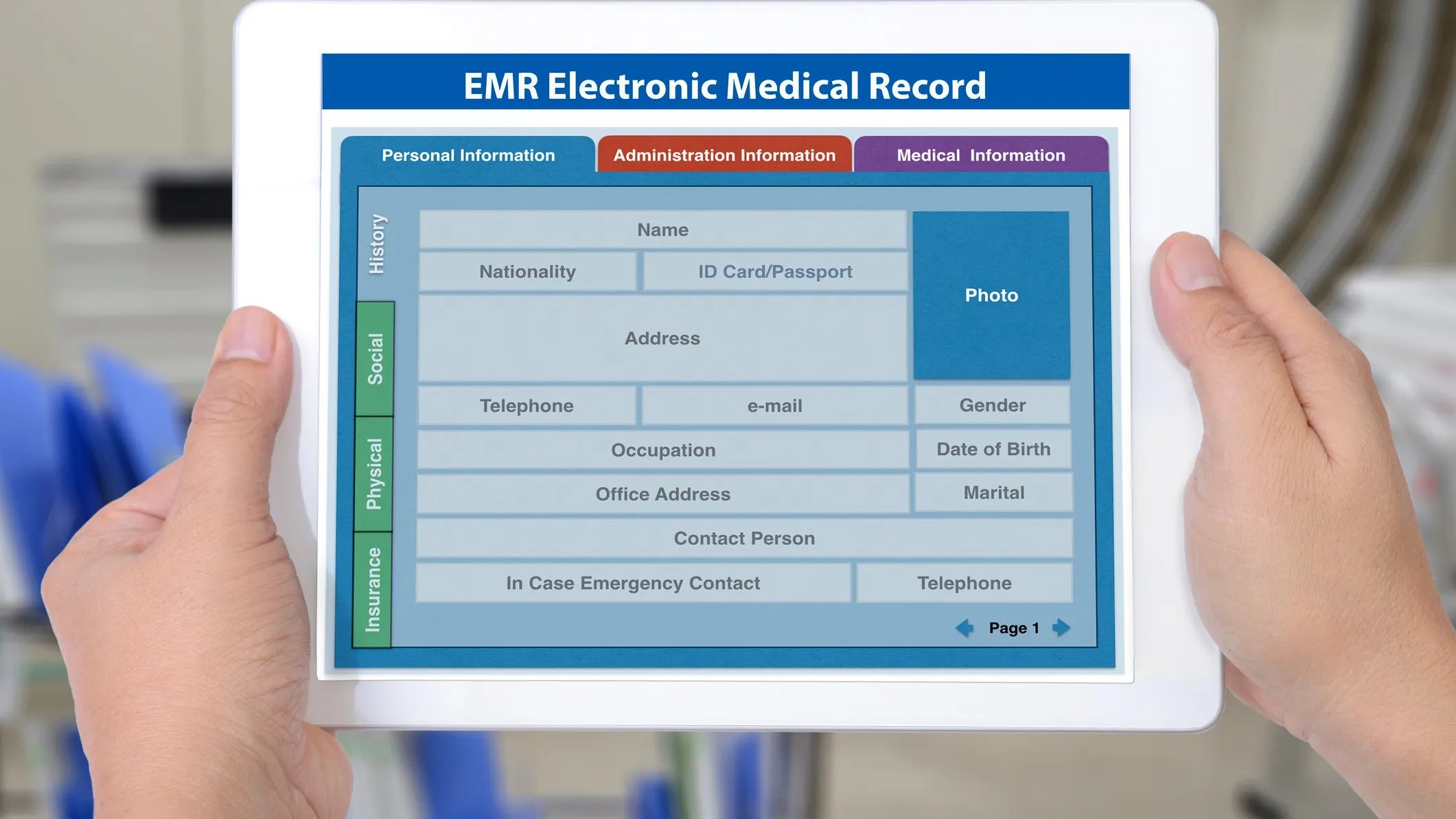
Even with most clinics now using some form of electronic record-keeping, many practices still operate with disconnected systems — one tool for scheduling, another for billing, and a separate patient chart system that doesn't talk to either. The result is duplicate data entry, delayed updates, and a higher risk of errors.
The case for integration, not just digitization
Simply having digital records isn't the same as having integrated records. When a scheduling change doesn't automatically reflect in the patient's chart, or a lab result has to be manually re-entered from a fax, the "digital" system still behaves like paper — just slower to search.
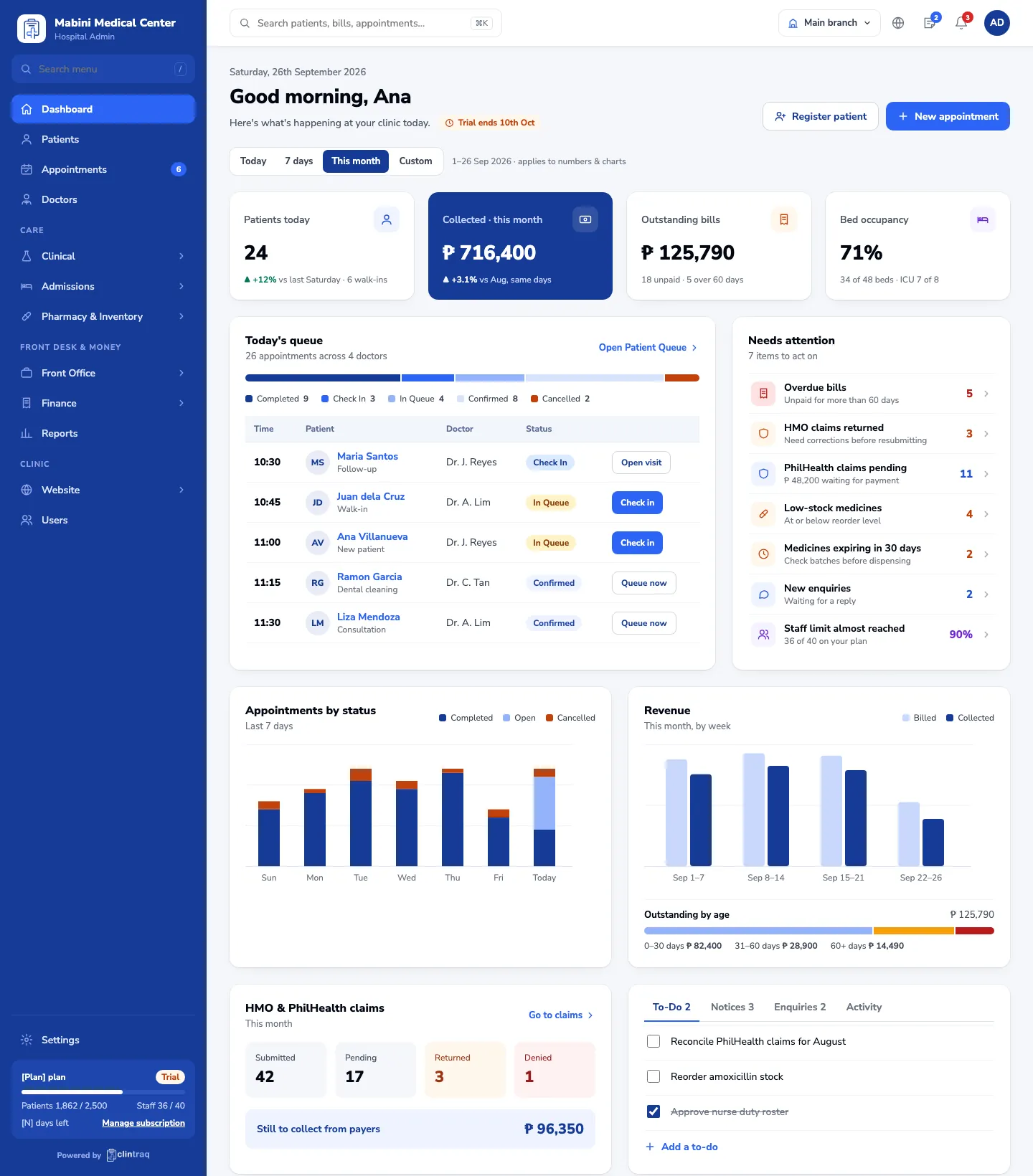
True integration means a single source of truth: when a nurse updates a patient's medication list, that change is instantly visible to the billing team, the front desk, and any other provider who sees that patient.
Patient safety benefits
Integrated records reduce medication errors and missed allergies by ensuring every provider is working from the same up-to-date chart, regardless of which device or location they're accessing it from. This matters most in multi-provider clinics, where a patient might see different staff across visits.
Efficiency gains that compound
Time saved on data entry adds up. Staff who no longer re-key information between systems can spend that time on patients instead. Clinics that move from siloed to integrated records often report measurable reductions in administrative hours per week.
What to look for when evaluating EHR integration
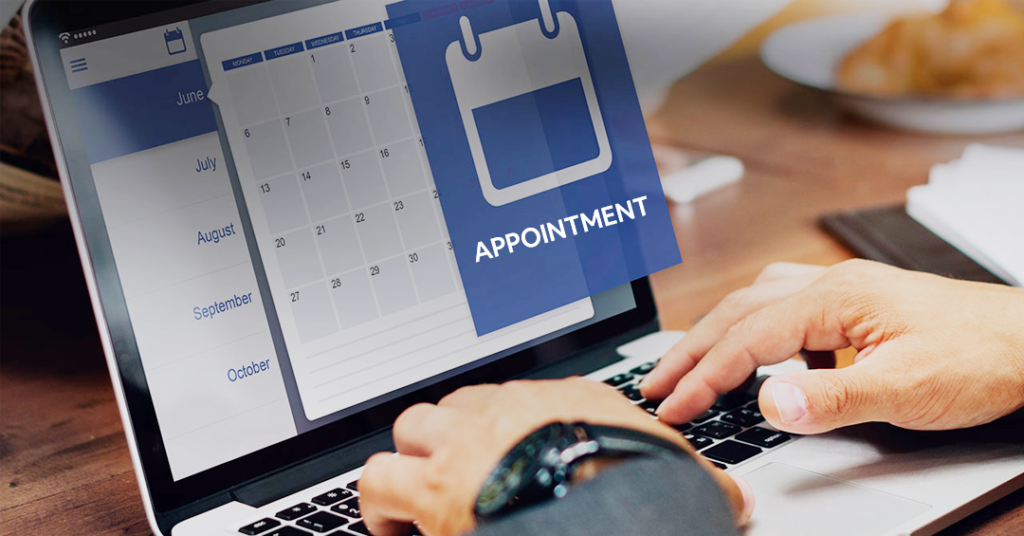
- Real-time sync between scheduling, records, and billing
- Role-based access so staff only see what's relevant to their job
- Audit trails for compliance and accountability
- Mobile access for providers who split time across locations
Integration isn't a luxury feature — it's what turns digital record-keeping into an actual efficiency gain rather than a like-for-like replacement of paper.